
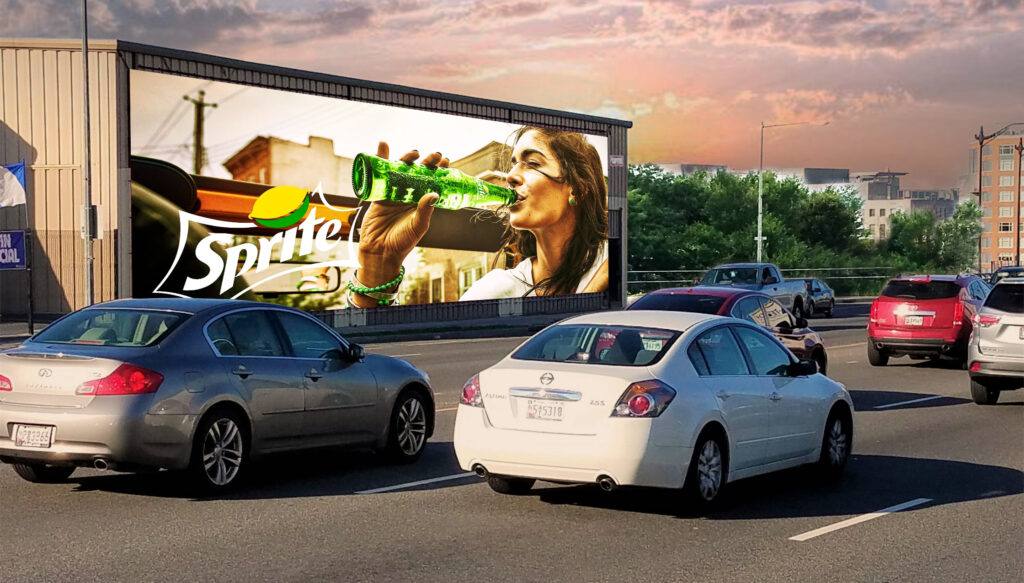
When brands first explore outdoor advertising, the most common question is straightforward: what does billboard advertising cost? The answer is genuinely variable — and that variability is not evasion, it is reality. Billboard advertising cost is shaped by five specific factors, and understanding each one allows you to plan your outdoor media budget accurately and allocate spend where it will deliver the strongest return.

Factor 1: Market Size and Geography
The single largest driver of billboard advertising cost is the market where the billboard is located. A major metro like Washington DC, Los Angeles, or San Francisco commands significantly higher rates than a mid-size market like Sacramento, Baltimore, or Cleveland — and both command higher rates than smaller markets like Dover, Delaware or Atlantic City.
This pricing difference reflects audience size and advertiser demand. More people pass through a billboard corridor in Los Angeles in a single day than pass through comparable locations in smaller markets in a week. Higher demand for the same limited inventory drives rates up. Capitol Outdoor operates in 28 markets across the US — from top-30 major metros to targeted urban markets — giving advertisers access to the full range of the pricing spectrum.
Factor 2: Location and Traffic Volume Within the Market
Within any given market, billboard advertising cost varies significantly based on exactly where the unit is positioned. A billboard on I-95 at the Fort McHenry Toll Plaza in Baltimore — where over 422,000 vehicles pass every week — commands a very different rate than a billboard on a secondary arterial with a fraction of that volume.
Traffic volume is measured and verified through GEOPATH — the outdoor advertising industry’s independent audience measurement organization. GEOPATH certification ensures that the impression counts attached to a billboard location are based on actual verified data, not estimates. When you receive a rate from Capitol Outdoor, it comes with GEOPATH impression data so you can evaluate cost per thousand impressions (CPM) directly.
Premium locations — highway approaches to major stadiums, airport corridors, downtown landmark positions — consistently deliver the highest impression volumes and carry pricing that reflects that audience quality.
Factor 3: Billboard Format and How It Affects Advertising Cost
Billboard format is the second major variable in outdoor advertising pricing. The three primary formats — traditional static bulletins, digital LED billboards, and large-format wallscapes — each have different cost structures.
Static billboard advertising is priced per four-week flight. One advertiser occupies the full face for the full flight. Production involves printing and installing a vinyl panel, which adds to the overall campaign cost but remains consistent across the flight duration.
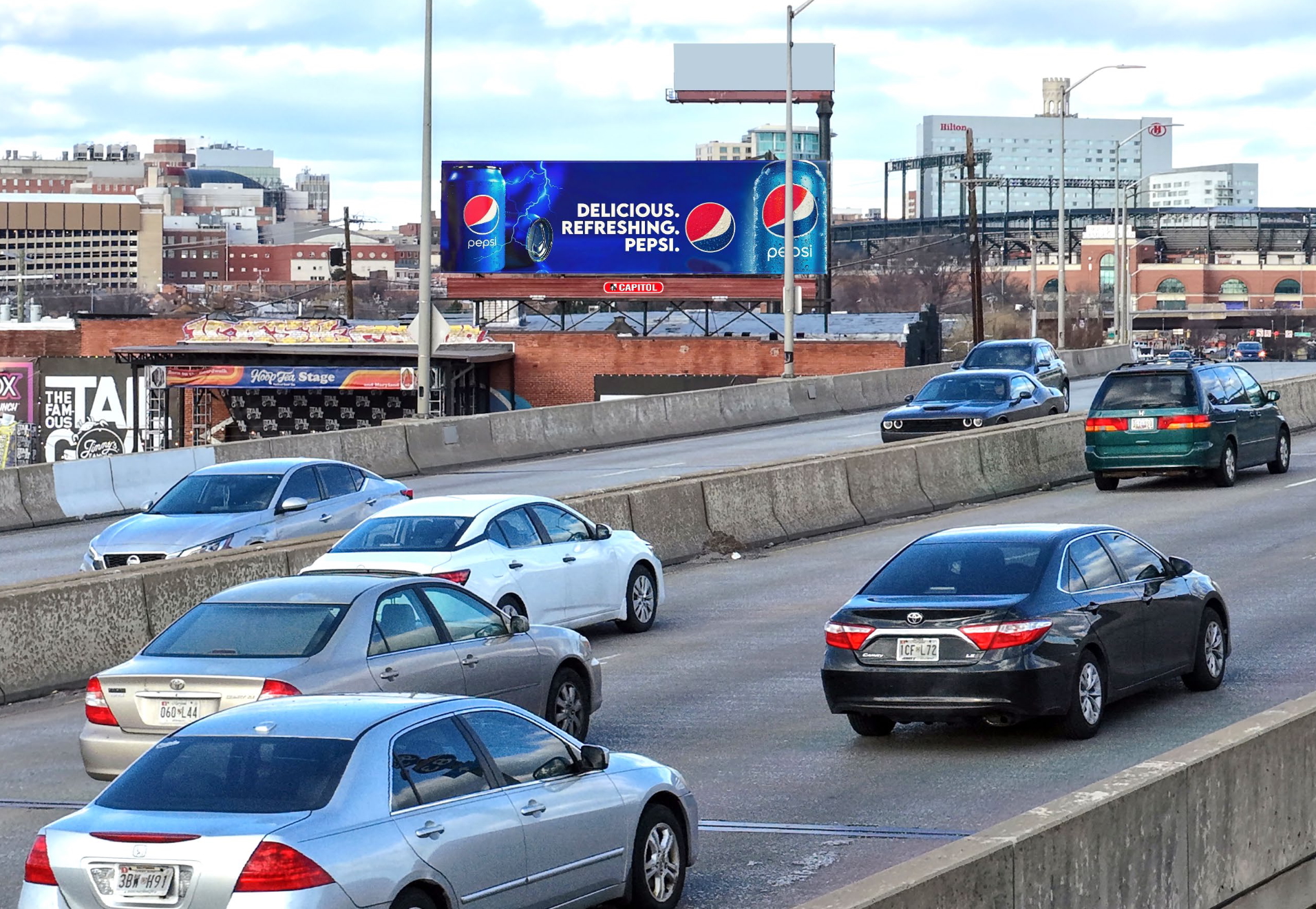
Digital billboard advertising cost is structured differently. Multiple advertisers share the screen in rotation — typically six to eight advertisers in 8-second spots within a 64-second loop. Because the cost is shared across advertisers, the per-advertiser rate is often lower than a comparable static unit. And because digital requires only a digital file submission rather than vinyl printing and installation, production costs are eliminated.
Wallscapes — large-format vinyl or digital installations on building walls — are priced as premium placements reflecting their landmark scale, visual impact, and concentrated pedestrian audience. Capitol Outdoor’s wallscape portfolio in Washington DC, San Francisco, Brooklyn, Sacramento, and Manhattan includes units that deliver over one million weekly impressions from a single location.
Factor 4: Campaign Duration and Commitment Length
Billboard advertising is priced in four-week increments. The minimum flight length is typically four weeks, though digital billboard inventory can sometimes accommodate shorter flights depending on availability.
Longer commitments almost always come with negotiated rates. A 12-week or 26-week campaign on the same unit typically costs less per four-week period than booking four-week flights individually. For brands running consistent awareness campaigns over an extended period, the efficiency of a longer commitment is meaningful. Capitol Outdoor’s team can structure multi-month packages that optimize your budget across the right markets and formats.
Factor 5: Seasonality and Market Demand
Outdoor advertising inventory is subject to seasonal demand fluctuations that affect pricing and availability. Q4 — October through December — is consistently the most competitive period as retail, entertainment, and consumer brands compete for holiday campaign placements. Rates in premium markets rise and top locations sell out weeks or months in advance.
Q1 is typically the most accessible period for new advertisers. January through March often offers the strongest availability and the most negotiating flexibility — particularly for brands willing to commit to multi-month flights beginning in Q1. Planning your outdoor advertising campaign well in advance of peak seasons ensures you secure the locations you want at the rates you need.
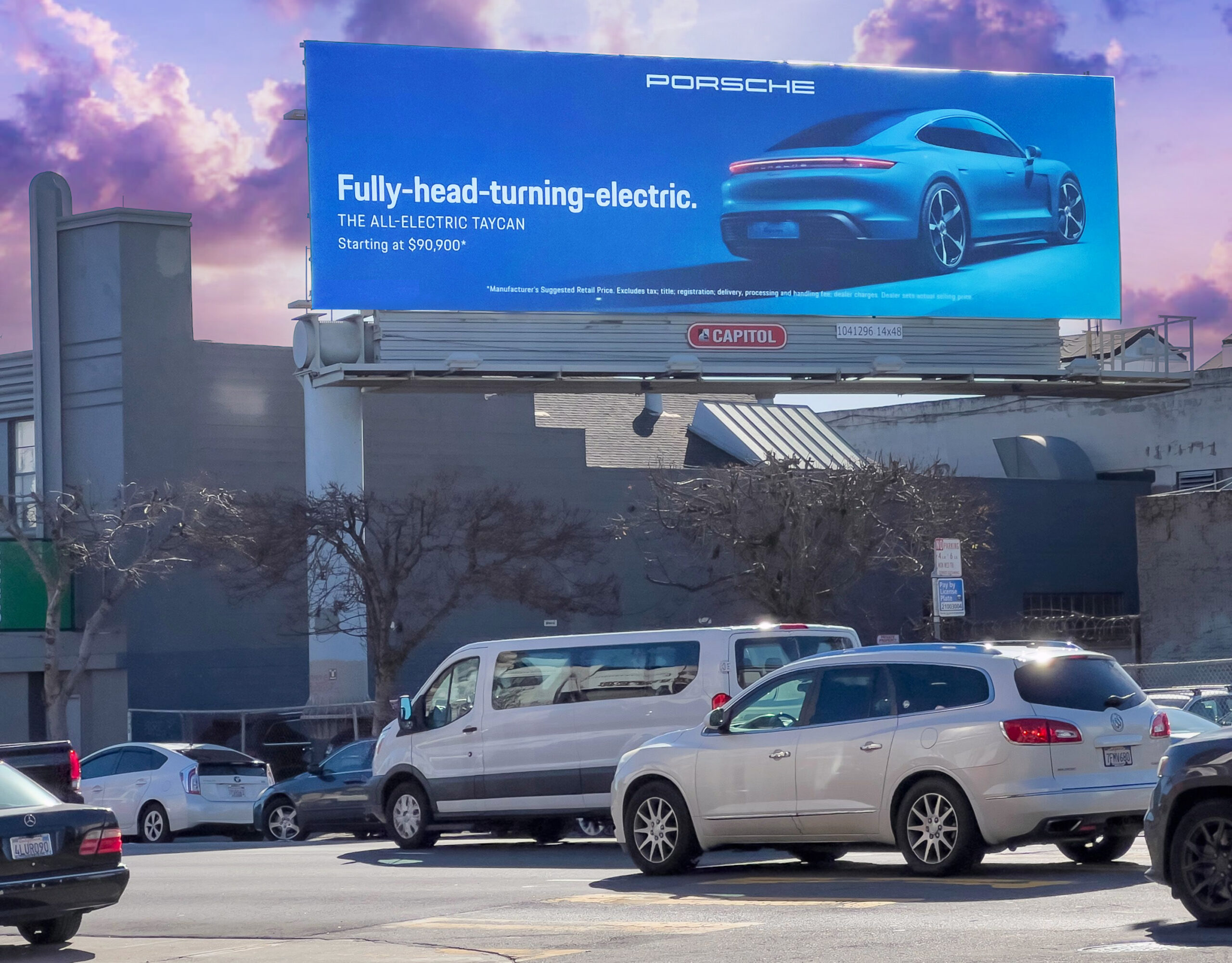
Planning Your Outdoor Advertising Budget
The most effective way to plan an outdoor advertising budget is to start with your target audience and work backward to the markets and formats that reach them most efficiently. A healthcare system building awareness in Baltimore will have a very different cost structure than a consumer brand launching in Los Angeles — and both will look different from an entertainment brand targeting the Kansas City streetcar corridor.
According to the Out of Home Advertising Association of America (OAAA), out-of-home advertising delivers one of the strongest CPM efficiencies of any major media format. Understanding billboard advertising cost in the context of verified impressions — rather than as a flat monthly rate — puts OOH on an equal analytical footing with digital channels.
Capitol Outdoor provides GEOPATH impression data with every rate card. When you contact us for availability in any of our 28 markets, you receive location-level audience data, format specifications, and pricing — everything you need to make an informed budget decision.